30 agosto, 2021

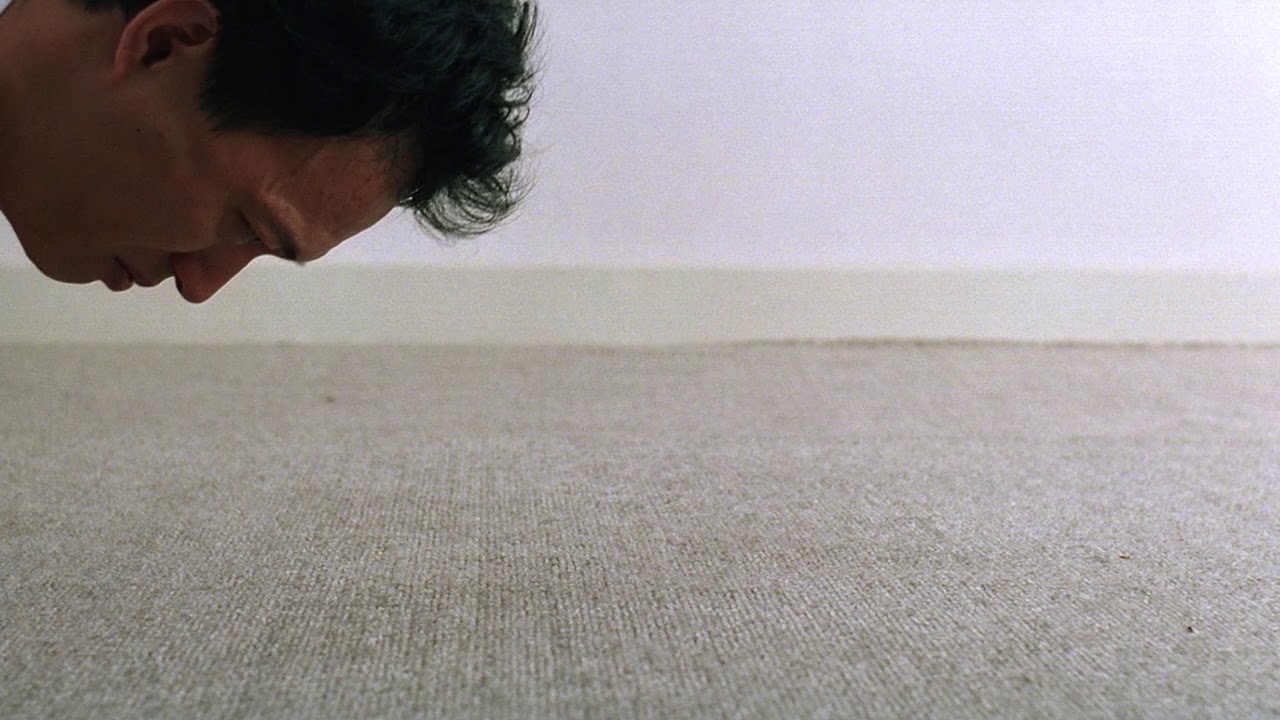
Edward Yang - Kong bu fen zi (1986)

 
Chino mandarín y min nan | Subs: Castellano/English/Français/Português/Italiano
109 min | 1280x720 | x264 5100 kb/s | AC3 640 kb/s | 24 fps
4.37 GB
The Terrorizers tells a myriad of inter-weaving storylines involving a myriad of characters, such as Wang An's delinquent Eurasian girl who runs a call girl scam where she robs her clientele in hotel rooms and a photographer's obsession with her when he snaps her escape from the cops.
 
Alors qu’elle vient d’échapper à une arrestation, Suzanne se réfugie chez sa mère. Recluse, elle trompe l’ennui en passant des coups de téléphone anonymes.
 
Luego de escapar de un arresto, Suzanne se refugia en casa de su madre. Encerrada, mata el tiempo haciendo llamadas telefónicas anónimas.
Comme dans le film d’Antonioni, Yang enferme ses personnages dans des structures architecturales monumentales et se sert du cadre pour isoler un peu plus chaque protagoniste dans une solitude urbaine pesante. Grâce à des cadrages millimétrés et une savante composition picturale (le cinéaste se sert de couleurs complémentaires pour composer des plans de toute beauté), le réalisateur explore le mal-être des habitants de Taipei, grande métropole qui devient un personnage à part entière par sa présence tentaculaire.
Annonçant tous les thèmes qui trouveront une parfaite illustration dans son chef d’œuvre Yi Yi, ce troisième film matriciel du cinéaste nous révèle non seulement son exceptionnel don visuel, mais aussi la pertinence et la cohérence de son univers urbain délicieusement désespéré.
 
Como en los films de Antonioni, Yang encierra a sus personajes en estructuras arquitectónicas monumentales y se sirve del encuadre para aislar un poco a cada protagonista en una soledad urbana abrumadora. Gracias a encuadres milimétricos y una refinada composición pictórica (el cineasta se sirve de colores complementarios para componer planos de absoluta belleza), Yang explora el malestar de los habitantes de Taipei, gran metrópolis que se convierte en un personaje por cuenta propia con su presencia tentacular. (...)
Anunciando ya todos los temas que hallarán su consumación perfecta en su obra maestra Yi Yi, este tercer film esencial del cineasta nos revela no solo su excepcionales dotes visuales, sino también la pertinencia y coherencia de su universo urbano deliciosamente desesperado.
Virgile Dumez, Avoir-Alire.com 
 
As with many other examples of Taiwanese New Wave cinema in the 1980s, The Terrorizers realistically records the people’s private sentiment at a specific moment of Taiwan’s rapid socio-economical transformation. Nevertheless, the film’s depiction of the experience of urban ennui and desperation remains largely universal. No matter how one sees fit to interpret the film’s double endings, Yang’s vision of urban life looks all but doomed. 
 
Al igual que muchos otros ejemplos de la Nueva Ola taiwanesa de los años 80, The Terrorizers registra de modo realista el sentimiento privado de la gente en un momento específico de la rápida transformación socioeconómica de la isla. Sin embargo, la descripción de la experiencia de tedio y desesperación urbanos que traza el film es al mismo tiempo universal. No importa cómo interpretemos los dobles finales que propone el film, la visión de la vida urbana que propone Yang es la de una experiencia condenada al fracaso.
Edmund Lee, Time Out Hong Kong

 
Tercer film de una de las leyendas del cine taiwanés.
 
 
Bluray rip del grupo Melite, compartido por kress

El rip XviD original con todo el texto
 fue publicado por tribu en marzo de 2012


ºººººººººººººº

Nicholas Ray - On Dangerous Ground (1951)

 
Inglés | Subs: Castellano/EN/PT/IT (muxed)
81 m | x264 992x720 | 6100 kb/s | 192 kb/s AC3 | 23.97 fps
3,62 GB
Odio en el alma/La casa en la sombra
El duro y solitario policía de la ciudad Jim Wilson da una paliza de más a un sospechoso y es enviado al norte del estado para ayudar a investigar el asesinato de una joven en la campiña invernal. Allí conoce a Mary Malden, a quien encuentra atractiva e independiente. Sin embargo, el hermano de Mary es el principal sospechoso del asesinato. Y María misma es ciega...
Situada entre el cine negro de finales de los años 40 y el drama policíaco de mediados de los 50, esta es una de las grandes obras olvidadas del género... Si bien fácilmente podría haber sido insípida, la historia logra una belleza casi trascendental en las manos de Ray, un poeta de expresión angustiada: La dureza urbana de la ciudad contrasta con la austera campiña nevada para algunos de los efectos más desconcertantes de todo el cine noir. A pesar de la violencia y la intensidad constante, una película notablemente pura.
-- Slant Magazine
Hard, withdrawn city cop Jim Wilson roughs up one too many suspects and is sent upstate to help investigate the murder of a young girl in the winter countryside. There he meets Mary Malden, whom he finds attractive and independent. However, Mary's brother is chief suspect in the killing. And Mary herself is blind...
Perched between late-'40s noir and mid-'50s crime drama, this is one of the great, forgotten works of the genre... While it could have been easily mushy, the material achieves a nearly transcendental beauty in the hands of Ray, a poet of anguished expression: The urban harshness of the city is contrasted with the austere snowy countryside for some of the most disconcertingly moving effects in all film noir. Despite the violence and the steady intensity, a remarkably pure film. ~~ Slant Magazine

Blu Ray rip del grupo CINEFILE, remuxeado


 ºººººººººººººººººº


27 agosto, 2021

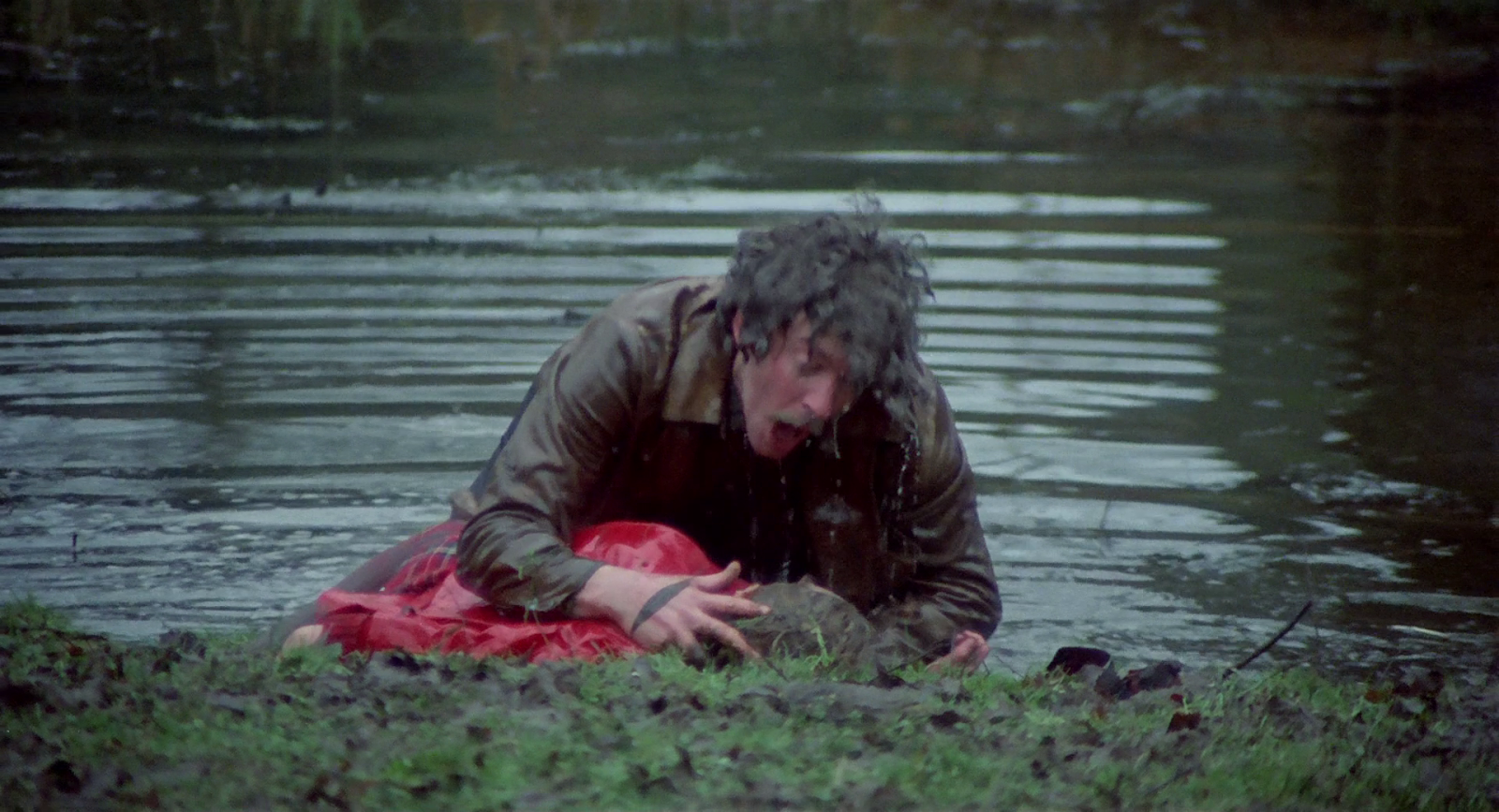
Nicolas Roeg - Don't Look Now (1973)

 
Inglés | Subs: Castellano/Français/Italiano/Portugués/English (muxed)
110 min | x-264 1920x1040 | 9950 kb/s | 192 kb/s AC3 | 24 fps
7,81 GB
Amenaza en la Sombra/Venecia Rojo Shocking
 John (Donald Sutherland) y Laura Baxter (Julie Christie)  pierden a su hija, ahogada en el estanque de la casa. Se dirigen a Venecia para que John, que es arquitecto, supervise la restauración de una iglesia. Por azar conocen a dos viejas hermanas. Una de ellas es ciega y clarividente, y tiene visiones funestas que son una advertencia para John, que parece empecinado en desoirla. La Venecia que muestra la película es apagada, amarronada, decadente y fantasmática.
 La pérdida de una hija funciona como disparador emocional en este film. Más que una película de horror, es un laberinto en el que nada resulta ser lo que parece, excepto la idea de la pérdida, en su sentido más profundo y desolador.(Malba)
John and Laura Baxter are in Venice when they meet a pair of elderly sisters, one of whom claims to be psychic. She insists that she sees the spirit of the Baxters' daughter, who recently drowned. Laura is intrigued, but John resists the idea. He, however, seems to have his own psychic flashes, seeing their daughter walk the streets in her red cloak, as well as Laura and the sisters on a funeral gondola.
Based on a story by Daphne du Maurier, whose works inspired Alfred Hitchcock's Rebecca and The Birds, the film centers on Laura and John Baxter (Donald Sutherland and Julie Christie), who have recently relocated to Venice so that John can oversee the architectural restoration of an old church. Both hope that the change of environment will allow them to forget the recent tragic demise of their child, but they instead find themselves surrounded by reminders of death, as the city attempts to deal with a series of unexplained murders. The eeriness intensifies when they encounter a blind psychic and her eccentric sister, who promise to contact her daughter's spirit. Laura embraces the idea, but John remains skeptical until he experiences his own visions: fleeting glimpses of someone in a red coat similar to one that belonged to his daughter.
-- Judd Blaise, Rovi
 
Blu Ray rip del grupo GCJM


ººººººººººººº

25 agosto, 2021

Konstantin Ershov & Georgiy Kropachyov - Viy (1967)

 
Ruso | Subs: Castellano/English/Português/Italiano (muxed)
76 min | x264 768x560 | 3000 kb/s | 256 kb/s AC3 | 23.976 fps
1,74 GB
Viy, espíritu del mal 
Un joven sacerdote debe pasar tres noches velando el cadáver de una bruja. Durante ese tiempo, toda clase de horrores pondrán a prueba su fe y su cordura. Esta fascinante adaptación del cuento clásico de Nikolái Gógol tiene el honor de ser oficialmente la primera película de género fantástico producida y estrenada en la Unión Soviética.
[...] es esa esencia al viejo folclore ruso arraigado y basado en el cuento de Nicolai Gogol lo que atrapa y fascina. Un cuento que fue publicado por primera vez en el primer volumen de su colección de cuentos titulada Mírgorod (1835), cuyo título se refiere al nombre de la criatura demoníaca que protagoniza la trama de horror que se construye gracias a una leyenda ucraniana, una maravillosa creación de la fantasía popular.
 
[...] Pero si a bichos extraños nos referimos, no deberíamos perder de vista en la película su peculiar imaginería, la cual conforma un retablo excesivamente abstracto y casi surrealista, sobre todo al final del film, donde todo toma un cariz muy expresionista con multitud de seres raros que aparecen de detrás de las paredes mientras la joven y hermosa bruja no para de gritar letanías, con una iluminación y unas posturas que bien recuerdan a los comienzos del cine en los años 20. Unos guiños al Nosferatu de W. Murnau que casan bastante bien con un más que logrado maquillaje de los demonios y demás seres que van apareciendo en las escenas finales del metraje.

Una película especial, casi adelantada a su tiempo y muy valiente teniendo en cuenta su contexto que deja entrever como las joyas perdidas pueden a veces sorprender más de lo que nos imaginamos.

-- Crítica tomada de UNDERCINE
Getting lost, wandering home whilst on leave from his seminary, novice monk Khoma stays in the barn of an old woman. A scuffle breaks out. Later, he is summoned to stand and pray over a young dead woman, in the local church, for three nights. It is here that, while in the long, dark nights of the locked doors, the dead regain life, the souls of Hell taunt the young monk to near terrifying insanity, and the test of Faith will be as powerful as the witches, monsters and the mighty demon Viy who haunt his every step and bay for his very soul.
This Russian film adaptation of Nikolai Gogol's story was for a long time the only horror film made in the Soviet Union. Khoma (Leonid Kuravlev), a young novice, travels across the countryside and stays for a night in a barn that belongs to an ugly old woman. When she attacks him at night and takes him for a broom ride, the scared novice fatally wounds her, and before she dies, she turns into a beautiful young noblewoman (Natalya Varley). The latter leaves a will, according to which Khoma should pray for her for three nights in the chapel until her body is buried. At night, the witch rises from the coffin and tries to catch Khoma. She flies around but she can't reach him or see him because he stays inside the circle that he has drawn around himself. During the third and last night, the witch makes the last attempt to scare him out of the circle, and she calls all sorts of ugly creatures to help her... Gogol wrote several stories based on Ukrainian folklore, many of them dealing with the Devil and the supernatural.
  
 
Bluray rip y capturas de KimJongNumberUn (KG)
 

24 agosto, 2021

Lautaro Murúa - Alias Gardelito (1961)

 
Castellano | Subs: Portugués/English (muxed)
79 min | x264 702x456 ~> 702x526 | 2000 kb/s | 192 kb/s AC3 | 23.97 fps
1,22 GB
 El protagonista, Toribio Torres, alias "Gardelito" (Alberto Argibay) es un ladrón de poca monta en un mundo de pobreza, que sueña con emular a su máximo ídolo, el cantante de tango Carlos Gardel. Tironeado entre ambos mundos, el mundo de la música comercial y el del delito, "Gardelito" terminará yendo al desastre.
Alias Gardelito pone en escena la obsesión compulsiva por la altura. El defecto moral del personaje no es, como podría pensarse, la vagancia sino la ambición trepadora. Poca fortuna puede esperar un escalador de montaña en la llanura. Toribio no quiere ser uno más en la manada, él nació para triunfar, y está dispuesto a demostrarlo, aún, careciendo de talento, de ideas, de inteligencia, de carisma, y de estrategias... Tomado del blog Contraplano.
 “Yo tenía una gran admiración por Lautaro Murúa, sobre todo por su película Alias Gardelito. Para mí es uno de los grandes inolvidables. Y creo que es inolvidable para todos los que lo conocieron, algunos para mal y otros para bien. En mi caso, para bien. Supongo que era según cómo le caías. Era muy culto, tenía un gran sentido del humor y era un bon vivant. Pero lo más importante es que tenía un talento inmenso, es una pena que no haya dirigido más. Y como actor podía ser extraordinario.” (Lita Stantic)
 Alias Big Shot
The drama directed by Lautaro Murua is about the difficulty of living an honest life in the face of an unrelenting poverty. The title of this story is taken from the name of the great Argentine singer Carlos Gardel, the idol of the antihero Toribio portrayed by Alberto Argibay. Toribio's goal in life is to emulate the famous singer and make his own way succesfully in the music business. Yet at the same time, he doesn't stop his illegal means of making ends meet; stealing and petty thievery. Discouraged when his big break never quite materializes, Toribio heads for disaster when he joins up with a large smuggling operation.
 A representative of the "new cinemas" that arose in the late 50s and early 60s, Murúa's Alias Gardelito is one of the best Argentine movies of that period.. According to Paulo Antonio Paranaguá (O cinema na América Latina), in this new type of films the characters' psychology takes the upper hand upon social themes, although I would add the latter usually provides an also significant context for their action, as is the case here.

The script is an adaptation of the well known Argentine writer Bernardo Kordon's book of the same title. Lautaro Murúa was born in Chile, and became one of the best actors in Argentine cinema, before he started directing his own movies in the early 60s. 
-- tribu
 
DVD rip y capturas de Rony1972


 ººººººººººº

Diane Kurys - Diabolo menthe (1977)

 
Francés | Subs: Castellano/English (muxed)
101 min | x264 1200x720 | 7000 kb/s | 192 kb/s AC3 | 24 fps
4,97 GB
En el otoño de 1963, Anne se está convirtiendo en una adolescente. Vive en París con su madre y su hermana mayor, Frédérique. Acaban de regresar del verano de la playa con su padre. Empieza la escuela. Para Frédérique es el año de su primer amor serio, de su primera incursión en la política (la cuestión argelina y "prohibir la bomba"), del primer beso de un hombre mayor, de su primera amiga que se fuga y de su primera pérdida de amistad por cuestiones de valores personales. Para Anne, que vigila de cerca a su hermana, es un año de su primer período y de aprender a hablar con los varones, a tratar con maestras injustas y a de arreglar las cosas con mamá después de meterse en problemas.
Aunque durante el transcurso del film no les ocurre nada especialmente dramático a las hermanas, el atractivo de la película radica precisamente en la capacidad de la directora Kurys para mostrar el drama de la vida cotidiana mientras las hermanas luchan con los problemas de la escuela, la familia, los amigos y los chicos, así como con sus propios cambios físicos y emocionales. Los padres de Anne y Frédérique están separados, en proceso de divorcio, y las niñas se van de vacaciones con su padre, que vive en Deauville. El resto del año lo pasan en París con su madre, una mujer muy enérgica y atractiva, que tiene novio y trabajo. Frédérique, de 15 años, cursa el tercer año y asiste al Lycée Jules Ferry, donde Anne, de 13 años, comenzará a estudiar. Éstos eran los días antes de que la escuela intermedia se convirtiera en obligatoria, cuando los alumnos pasaban directamente de la escuela primaria a la secundaria, cuando el quinto año marcaba el primer año de liceo, cuando la educación aún no era universalmente mixta.
A pesar de esta trama que suena ordinaria, Diabolo Menthe* es todo menos simplista. Tal vez porque la directora misma tenía 13 años en 1962, y también asistió al Lycée Jules Ferry, Kurys como escritora y directora ha sido capaz de infundir a su película con perspicacia y sensibilidad, lo que definitivamente le da credibilidad a esta historia semi-autobiográfica.
-- Georges P. Foucher

*Trago sin alcohol popular entre los adolescentes franceses de la época.
Peppermint Soda
In the fall of 1963, Anne is becoming a teenager. She lives in Paris with her mother and her older sister, Frédérique. They're just back from summer at the beach with their father. School starts. For Frédérique it's the year of her first serious love, her first foray into politics (the Algerian question and "ban the bomb"), her first kiss from an older man, her first friend who runs away, and her first loss of friendship over values. For Anne, who watches her sister closely, it's a year of her first period and of learning to talk to boys, dealing with unfair teachers, and sorting things out with mom after getting in trouble.
Although nothing particularly tragic or earth-shattering happens to them during this period, the appeal of the film lies precisely in director Kurys’ ability to show the drama of  everyday life as the sisters struggle with the problems of school, family, friends, and boys as well as their own physical and emotional changes. The parents of Anne and Frédérique are separated, in the process of divorcing, and the girls go on vacation with their father, who lives in Deauville. The rest of the year is spent in Paris with their mother, a very energetic and attractive woman, who has both a boyfriend and a job. Fifteen-year-old Frédérique is in 10th grade and attends the Lycée Jules Ferry where Anne, 13, will be a student for the first time. These were the days before the middle school became the rule, when pupils went directly from elementary to high school, when 12th grade marked the first year of lycée, when education was not yet universally coed.

In spite of this ordinary-sounding plot, Diabolo Menthe is anything but simplistic. Perhaps because she herself was 13 in 1962, and also attended the Lycée Jules Ferry, Kurys as both writer and director has been able to infuse her film with insight and sensitivity, which definitely bring credibility to this semi-autobiographical story set in the early sixties.
-- Georges P. Foucher

 Rip del Blu Ray de BFI de Pedotriba