30 julio, 2021

Mikio Naruse - Musume tsuma haha (1960)

 
Japonés | Subs: Castellano/English/Italiano (muxed)
122 min | x264 720x348 ~> 817x348 | 2650 kb/s) | 192 kb/s AC3 | 23.97 fps
2,48 GB
Hijas, esposas y una madre
 La historia de una familia en Tokio que vive bajo el mismo techo en una casa grande y que incluye a la madre viuda de sesenta años, al hijo mayor y a su esposa, a la hija menor y a la hija mayor que, mientras está casada, está experimentando problemas domésticos y ha vuelto a vivir en ella. El marido de esta última mujer muere pronto, lo que hace que la mudanza sea permanente. Con el dinero del seguro de vida que recibe no sólo puede permitirse el lujo de pagar el alquiler, sino también prestar algo de dinero en efectivo a su hermano que, sin saberlo su madre, ha tomado un préstamo del banco con la casa como garantía. El préstamo fue necesario ya que la fábrica de la tía de su esposa necesita una infusión de fondos....
La vibrante fotografía en color de este drama doméstico japonés a menudo evoca musicales de la MGM, lo que parece irónico dada que es una amarga historia de infelicidad de la clase media. Se trata de una madre que envejece, sus cinco hijos adultos y varios de sus cónyuges, casi todos los cuales tienen problemas de dinero. Cuando una de las hijas (Setsuko Hara) se queda viuda, regresa al nido familiar con una herencia sustancial; uno a uno, sus hermanos se aprovechan de su personalidad confiada, llevándola al borde de la bancarrota y la desesperación. Los muchos personajes principales pueden ser difíciles de seguir, y esto sirve para mostrarnos el asfixiante retrato de vida familiar de la película. Con su habitual enfoque tranquilo, Naruse acumula momentos de mezquindad y crueldad hasta que se vuelven abrumadores.
-- Chicago Reader
Daughters, Wives and a Mother
The story of a family in Tokyo who live under the same roof in a large house and include the widowed sixty-year-old mother, older son and his wife, the youngest daughter and the older daughter who, while being married, is experiencing domestic problems and has moved back in. The latter woman's husband soon dies however making the move permanent. With life insurance money flowing in she not only can afford to pay rent, but also loan some cash to her brother who unbeknownst to his mother has taken on a loan from the bank with the house as collateral. The loan was needed as his wife's aunt's factory needs an infusion of funds...
 The vibrant color photography of this Japanese domestic drama frequently evokes MGM musicals, which seems ironic given Mikio Naruse’s characteristically bitter story of middle-class unhappiness. It concerns an aging mother, her five grown children, and several of their spouses, nearly all of whom have money troubles. When one of the daughters (Setsuko Hara) is widowed, she returns to the family nest with a substantial inheritance; one by one, her siblings take advantage of her trusting personality, driving her close to bankruptcy and despair. The many major characters can be hard to keep straight, but that only enhances the movie’s suffocating portrait of family life. With his usual quiet focus, Naruse accumulates moments of pettiness and cruelty until they become overwhelming.

Subtítulos en castellano de la fenomenal Eurídice

DVD rip de pirata00, compartido por ronnie 


ººººººººººº


26 julio, 2021

King Vidor - Ruby Gentry (1952)

 
Inglés | Subs: Castellano/EN/FR/PT (muxed)
82 m | x-264 960x720 | 4300 kb/s | 192 kb/s AC3 | 23.97 fps
2,60 GB
 Pasión bajo la niebla/La furia del deseo
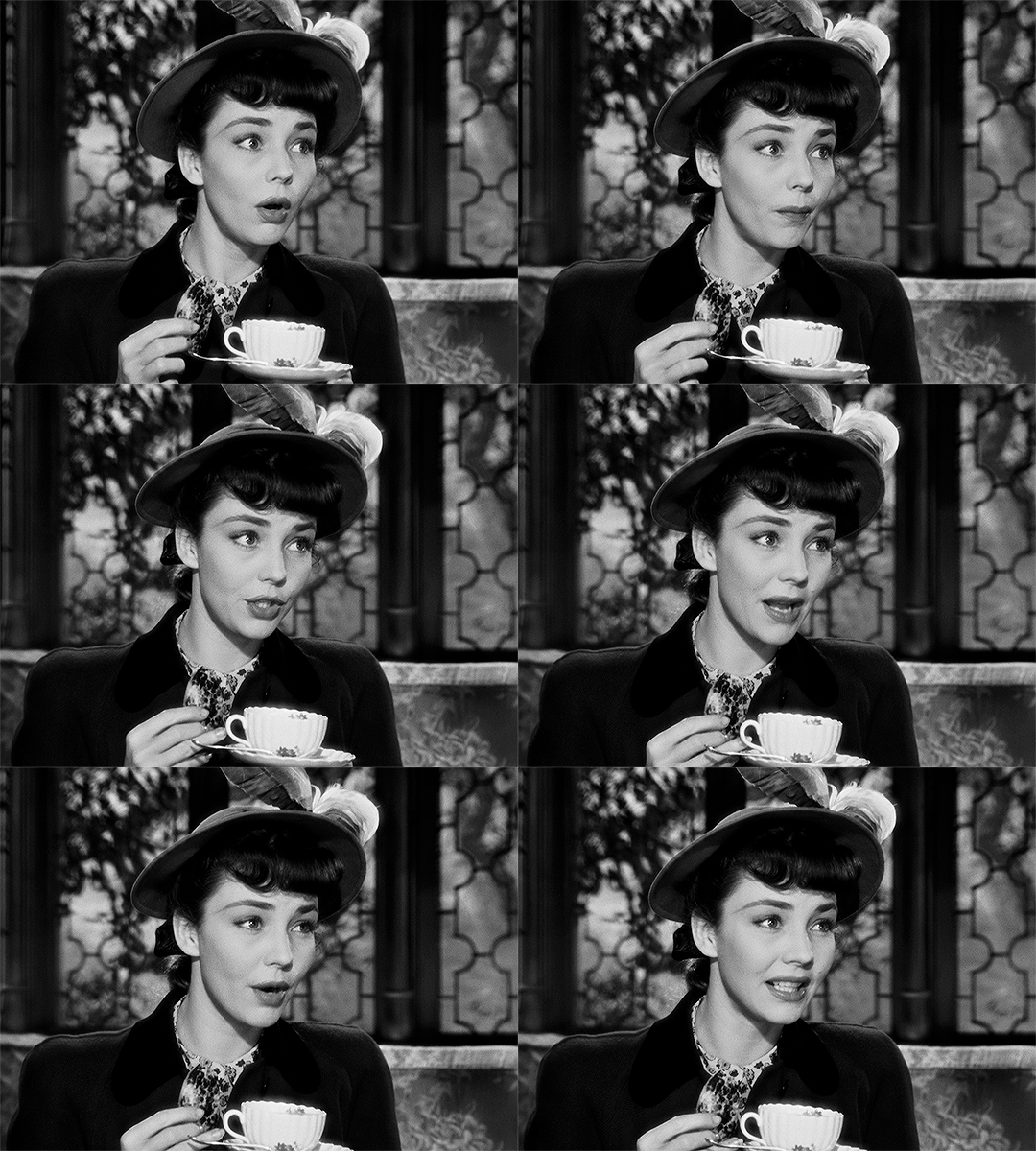
Ruby vive en una vieja casa del pantano con sus padres y su hermano (un hombre siniestro). A ella le encanta la caza, la pesca y por supuesto no ser relegada a tareas domésticas. Es una mujer vital, libre y que vive sin reglas. Cuando se enfada, se enfada y cuando le apetece reír, ríe. Así a todos les hace mucha gracia hasta que Ruby quiere transgredir, saltarse las fronteras. Cuando aspira además a estar junto al hombre que ama, un joven con ambiciones, Boake Tackman, su amor de juventud, ya nadie perdona. Pero este joven, que se divierte con Ruby y que se siente también unido a ella, no ve que para prosperar empresarialmente sea bueno prometerse con una hija del pantano. Renuncia al amor y a la pasión a cambio de posición social y económica.Y decide casarse con la hija de un importante hombre de negocios…
[...] King Vidor logra en Pasión bajo la niebla una atmósfera de sensualidad latente (sobre todo en las escenas entre Ruby y Boake) pero también de desasosiego y de que algo podrido se esconde tras las fachadas de los respetables… que sobre todo culmina en el extraño personaje del hermano de Ruby, que en sus apariciones provoca inquietud y miedo. Todo hace pensar en un destino trágico y oscuro. Y además presenta a una mujer, Ruby, que se convierte en mujer fatal sin querer serlo. Las circunstancias que rodean su vida la hacen transformarse en mujer vengativa… y esas mismas circunstancias hacen que todos los hombres que la aman, encuentren la desgracia. Y el no ceder, el ser ella misma, fuerte… hace posible un único destino: la soledad. ~~Todo el texto tomado del Blog de Hildy Johnson
 Ruby Corey is a North Carolina backwoods girl from the wrong side of the tracks. She falls in love with Boake Tackman, a boy from a wealthy family in town. Boake, in order to resist pressure from his family, tells Ruby that he will marry a society girl instead of her. Ruby is then proposed to by Jim Gentry, the town's richest man. Out of self pity, and to the town's chagrin, she accepts his proposal...
 Ruby Gentry came along at a good time in Jennifer Jones' career. Her last five films had been box office failures. This film turned out to be a big success which increased her clout at the box office.
The film was directed by King Vidor (who had directed Duel In The Sun) and was one of Jones' best directors. Ruby Gentry was considered by many to be a poor man's Duel. It was, however, a taut production that employed minimal financing, was filmed in black and white and ran only 82 minutes. Nonetheless it is a highly entertaining film and is one that many remember Jennifer Jones for.
Interesting Tidbits - Joan Fontaine originally turned down the role because she was uncomfortable with a Southern accent But, it turned out that no one even used a Southern accent in the film anyway. The musical score was done with a single instrument, the harmonica, and greatly attributed to the film's atmosphere. The theme "Ruby" was also a big hit.
 
Blu Ray rip de D_Severino


 ººººººººººººººººº


22 julio, 2021

Robert J. Flaherty - Nanook of the North (1922)

 
Muda c/Intertítulos en inglés | Subs: Castellano/PT/FR/IT (muxed)
78 m | x264
960x720 | 6500 kb/s | 192 kb/s AC3 | 23.97 fps
3,67 GB
Nanuk el esquimal
Considerado como el primer documental con contenido etnográfico, Nanook of the north, nos muestra la vida de una familia inuit que habita en la bahía Hudson en Canadá. Después de haber perdido sus primeras filmaciones, Robert Flaherty convivió con ellos durante 15 meses para llevar a cabo su plan de rodaje.
[...] Nanuk el esquimal  no es sólo el primer documental, sino también uno de los primeros exponentes de la modalidad expositiva, ya que a partir de la vida de Nanook se hace un retrato de la vida de los esquimales en general. A través del uso de intertítulos, con un tono a medio camino entre el discurso informal y el épico, se dirige al espectador a través de la historia explicándole las escenas que ve.
Así, aunque el documental no presenta una estructura de presentación- nudo- desenlace, sí sigue un cierto orden cronológico y una narración de causa- efecto que permite observar al espectador cómo Nanook se enfrenta a su complicada vida diaria.
En cuanto a su planteamiento formal, cabe destacar que Flaherty intenta sacar el máximo provecho del lenguaje cinematográfico. Las escenas se filman y se montan intercalando variedad de materiales (grabaciones, intertítulos, mapas) y de planos. A su vez, las imágenes muestran gran riqueza visual al variar tanto de encuadre y ángulo como de escala.
De esta manera, a través del uso intencionado de los primeros planos (ya desde el inicio del metraje) se permite la identificación de los espectadores con los personajes principales, mientras que los planos generales y detalle permiten a la audiencia captar la majestuosidad del paisaje así como las condiciones en las que viven.
Nanuk el esquimal es una pequeña joya que aún a día de hoy demuestra sin dificultad su gran valor como obra cinematográfica y como registro de la historia y la evolución humana. ~~ Clara Castro en Ojo Crítico
Robert Flahertys’ Nanook of the North is considered one of the greatest films of all time for a number of reasons. First off, because it’s one of the greatest films of all time. Flaherty both wielded and helped define the construct of cinema to make a film that is insightful, informative and a whole lot of fun. Also, it’s not quite as racist as you’d fear, which is not to say that it’s not racist at all. In addition, Nanook is generally credited with being the first feature-length documentary film, which is obviously noteworthy despite the semantic difficulty of referring to a work so filled with staged recreations as a documentary. What’s truly important about the film, though, is the way – in its straightforward and simple ability to translate a distant, remote culture to anyone in any other part of the world – it went a long way toward defining cinema as the most powerful mass medium until the proliferation of the internet the better part of a century later.

Blu Ray rip y capturas de mfcorrea


 ººººººººººº

21 julio, 2021

Jaco van Dormael - Toto le héros (1991)

 
Francés | Subs: Castellano/English/Italiano/Português
87 min | x264 1920x1080 | 8640 kb/s | 256 kb/s AC3 | 50 fps
HDTV rip  5,32 GB
  
Totó el héroe
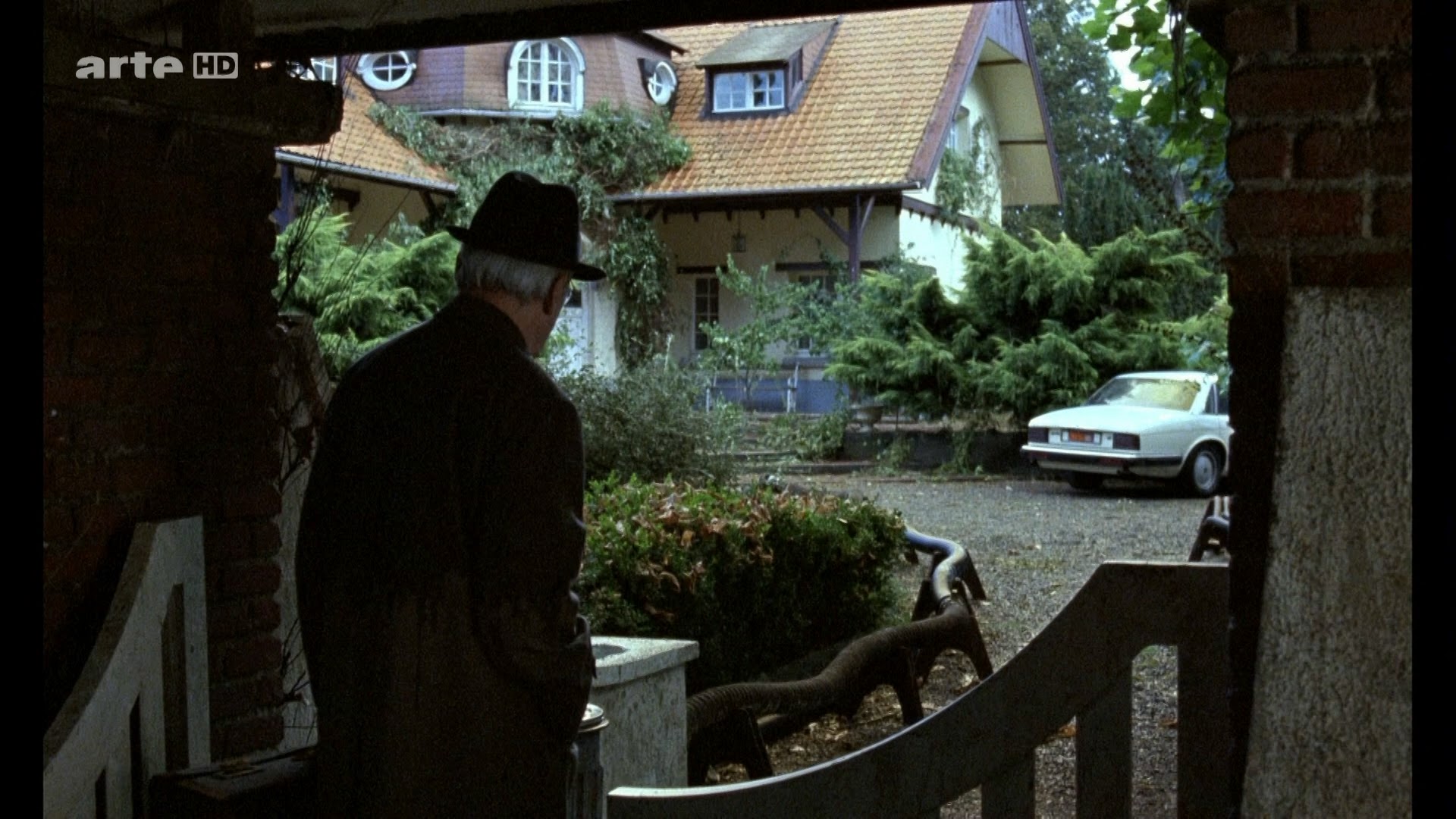
Thomas Van Hasebroeck tiene ocho años y está convencido de que al nacer fue confundido con su vecino Alfred. Como consecuencia de ello, está viviendo la vida de Alfred, y éste la suya. Sueña con llegar a ser agente secreto para vengarse de su destino. En vez de eso, sin embargo, se hace topógrafo. Un día encuentra a Evelyne. Podría llegar a amarla tanto como amaba a su hermana cuando era pequeño, pero alguien está viviendo ese amor en su lugar. Sesenta años después, el anciano Thomas se pregunta si no habrá desperdiciado su vida. Eso le lleva a recuperar los sueños infantiles, y a lanzarse en busca de Alfred, para recuperar lo que éste le había robado: su propia vida.
Toto the Hero
Thomas and Alfred were born around the same time; a fire in the nursery had nurses scrambling to save the newborns. Because he felt that he deserved Alfred's good fortune at being born into a wealthy family, Thomas conceives the idea that he and Alfred were switched at birth, and he can't help seeing that his unhappiness should be Alfred's, from the loss of his sister to his inability to have a relationship with women. So, as his life is ending, he formulates a plan of revenge against his bitter enemy, his lifetime adversary, the man who stole his existence.
  Depuis l'âge de huit ans, Thomas est persuadé — à tort ou à raison — d'avoir été échangé par erreur à sa naissance avec un autre bébé, son voisin Alfred Kant. La jalousie ressassée à l'égard de cet homme mieux loti lui a gâché toute son existence, parfois avec des conséquences tragiques pour ses proches. Il ne songe qu'à se venger et envisage même de tuer Alfred. Pourtant Thomas trouvera sur le tard une manière plus oiginale de donner un sens à sa vie.
 
HDTV rip c/logo de ARTE compartido por pipe
 
La primera versión de este film fue publicada
en Arsenevich en 2010, la segunda en 2012 


 ººººººººº


20 julio, 2021

Michael Polish - Twin Falls Idaho (1999)

 
Inglés | Subs: Castellano/Français/Português/English (muxed)
110 min | x264 720x458 ~> 847x458 | 1670 kb/s |128 kb/s AC3 | 23.97 fps
1,39 GB
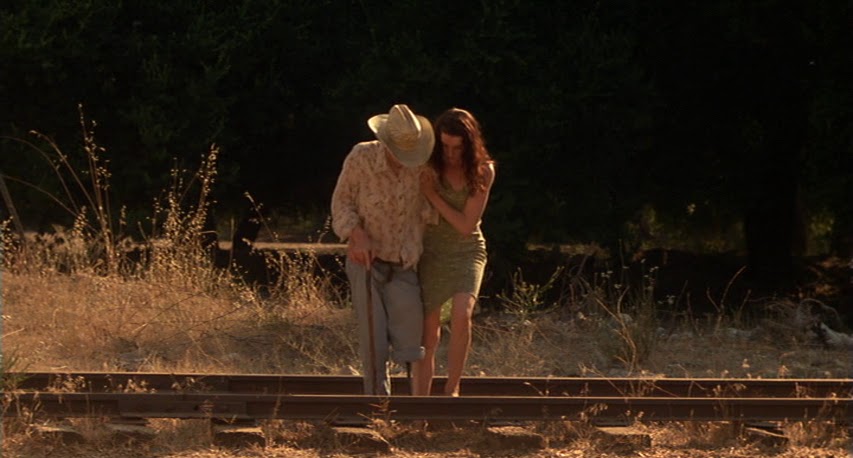
Penny, una prostituta de mentalidad independiente aunque algo superficial, se dirige a un hotel "lleno de bichos raros" en la Avenida Idaho; pero cuando descubre que su cliente Frances Falls está física y emocionalmente unido a su hermano Blake, su primera reacción es huir horrorizada.

Al volver más tarde, se da cuenta de que Frances no está bien y convence a los reservados hermanos para que dejen que su médico de confianza, Miles, les eche un vistazo. A medida que pasa más tiempo con los Falls y empieza a verlos como individuos, se siente atraída por el más fuerte de ellos, lo que crea una ruptura entre los hermanos que parece destinada a terminar en infelicidad, salvo que, como dice Penny, "con el tiempo, todo final triste se convertirá en feliz".
[...] "Tengo un cariño especial por las películas que quieren olvidarse de la trama y el conflicto, y en su lugar dedican su tiempo a tratar vidas particulares. Como Pi o Happiness, esta película es una meditación sobre la situación de sus personajes. No hay desenlace, ni respuesta, ni solución, ni resolución, porque ¿cómo puede haberla? Uno es quien es, y la vida sigue o no sigue. El vínculo clave de la película parece ser entre los hermanos, pero luego nos damos cuenta de que su vínculo es obligado, no elegido, y por lo tanto no significa tanto como el vínculo entre ellos dos y Penny. El trabajo de ella es atender a los solitarios y a los necesitados, y estos dos jóvenes la hacen sentir tan desamparada que su propia soledad queda al descubierto. A su manera tranquila, oscura y claustrofóbica, ésta es una de las mejores películas del año."
-- Roger Ebert
Francis and Blake Falls are conjoined twins who live in a neat little room in a rundown hotel. While sharing some organs, Blake is always fit and Francis is very sickly. Into their world comes a young lady, who turns their world upside down. She gets involved with Blake, and convinces the two to attend a Halloween party, where they can pass themselves off as wearing a costume. Eventually Francis becomes really ill, and they have to be separated. They then face the physical and mental strains that come from their proposed separation.
[...] I have a special feeling for movies that want to forget about plot and conflict, and spend their time instead in regarding particular lives. Like Pi or Happiness, this film is a meditation on the situation of its characters. There's no payoff, no answer, no solution, no resolution, because how can there be? You are who you are, and life either goes on or it doesn't. The key bond in the film seems to be between the brothers, but then we realize their bond is given, not chosen, and so doesn't mean as much as the bond between the two of them and Penny. Her business is to minister to the lonely and the needy, and these two boys make her feel so helpless that her own solitude is exposed. In its quiet, dark, claustrophobic way, this is one of the best films of the year.
-- Roger Ebert

DVD rip de Gersuzu


14 julio, 2021

André De Toth - Day of the Outlaw (1959)

 
Inglés | Subs: Castellano/EN/FR/PT (muxed)
97 m | x-264 1280x694 | 7450 kb/s | 192 kb/s AC3 | 23.97 fps
4,92 GB
 El día de los forajidos
Blaise Starret es un ranchero que vive en las afueras de un pueblo de Wyoming y cuando empieza la película, se dirige al pueblo a declararle la guerra a los granjeros que han levantado una alambrada para limitar el acceso de su ganado; la alambrada es solo un motivo porque Starret en realidad parece obsesionado con matar a Hal Crane, y así dejar viuda a su esposa Helen con quien ha tenido una aventura pasada, experiencia que le ha dejado marcado, amargado y lleno de un rencor incontrolable. En una escena tensa y de enorme carga emocional y cuando está a punto de producirse el duelo entre Starret y Crane, hace irrupción en el pueblo Jack Bruhn (Burl Ives) y su banda de forajidos, que los convierten a todos en prisioneros en su propio pueblo. El ranchero y los granjeros tienen que unirse para combatir a los forajidos y la situación que en un principio parecía de una violencia controlada, con la llegada de Bruhn va liberando los demonios internos de muchos personajes.
Lo que hace a esta película de Andre de Toth tan atractiva es la riqueza y los matices de la mayoría de sus personajes, sobre todo los personajes encarnados por Robert Ryan y Burl Ives, dos hombres que aunque diferentes se reconocen como iguales desde el momento en que se encuentran: ambos viven en el limite, saben que el mundo en el que viven y las reglas de ese mundo están cambiando a marchas forzadas y saben que el futuro para ellos es bastante desesperanzador.
Visualmente Andre de Toth consigue que la atmósfera claustrofóbica de interior de muchas escenas revierta en una película de enorme carga emocional, las escenas de exterior con las tormentas de nieve, la niebla y las enormes dificultades con que tenían que enfrentarse estos hombres son tan intensas y palpables para el espectador que parece que pudiéramos respirar ese frío. Una película que recomiendo encarecidamente sobre todo porque las palabras se quedan cortas ante toda la riqueza que Andre de Toth consigue plasmar frente a nosotros. ~~ Todo el texto en castellano tomado del blog desaparecido sssire
Blaise Starrett (Robert Ryan) and his ranch foreman Dan (Nehemiah Persoff) are shown in the opening under the credits piloting their horses through deep snow to a small town in Wyoming territory. It’s unusual for them to come off the range during the winter, and Vic (Don Elson), the owner of the general store, wonders how they could have used up their supplies so quickly. Starrett, a mass of indignant belligerence, says he came in to settle a dispute as old as the West—a farmer, Hal Crane (Alan Marshal), intends to erect a barbed-wire fence to keep Starrett’s cattle out of his fields. Starrett sends Dan to buy some kerosene so he can set the wagon containing the barbed wire ablaze; he condemns Vic for ordering the fencing for Crane and for being seduced by the business the farmers bring him to support their interests over the ranchers.
Jack Bruhn (Burl Ives), a retired Union officer, and his gang of outlaws are on the run from the U.S. Cavalry. They are wanted for stealing $40,000 in gold, and Bruhn disarms all the townsmen to prevent an attack. They intend to stay the night and ride out in the morning. Bruhn demands absolute discipline from his men, forbidding them from touching either a drop of whiskey or the four women in town, and has Starrett take him to Doc Langer (Dabbs Greer), the veterinarian, for some patching up. He took a bullet, and Langer, unskilled at performing surgery on humans, is sweating bullets as he works on the unanesthetized Bruhn. Although he extracts the bullet, he tells Starrett it went in deep, and it’s more than likely that Bruhn will die from internal bleeding. If that happens, the gang will be off their tether, free to rape and pillage to their hearts’ content. Starrett cooks up a scheme to lead the gang into the mountains where they will all die from exposure, a sacrifice of his own life he’s willing to make after realizing he was eager to shoot Crane down for no real reason.

Ives’ Bruhn uses his commanding presence and the testimony of Shorty (Jack Woody), who served under him, as to his ruthlessness with those who disobey his orders to keep his gang in line. Tied to his honor as a former soldier and haunted by a massacre he led in Utah, Bruhn is an odd choice of leader for a bunch of thugs. Ives put a spin on his Big Daddy performance from Cat on a Hot Tin Roof (1958) that makes his fear-inspiring position believable, but it is his waning energy as his life drains away that creates the most effective tension in the picture. Ives even has a Brick in this film, a young man named Gene (David Nelson) who seems extremely out of place among the crazy, garden-variety, Western outlaws Bruhn leads. His basic decency and desire to protect Vic daughter’s Ernine (Venetia Stevenson), to whom he is attracted, has him continually bolstering Bruhn’s authority, and Bruhn protects him like a son.

In the scene that may have influenced the wedding reception in Ride the High Country, Bruhn grants his restless men’s request to bring the townswomen over to dance. The ensuing caricature of an evening social is truly grotesque. The camera spins as the women are dragged around the floor. Helen is spun so hard her hair comes undone and whips around her visage of abject disgust and fear; she eventually must be rescued from the gropes of her dance partner. The trek into the mountains not only lends a stark authenticity to the struggle for survival, but also seems to present some real dangers. The snow was very deep, and the horses had to be whipped through to break trail. The penultimate scene, in which one of the thugs has frozen to death overnight and the other has lost the use of his hands, is both gruesome and pathetic. The final shootout we always come to expect at the end of Westerns is given a genuinely tense and unique twist. . ~~ Marilyn Ferdinand

 Blu Ray rip de mfcorrea (KG) 


ºººººººººº